
Pharmacy Store
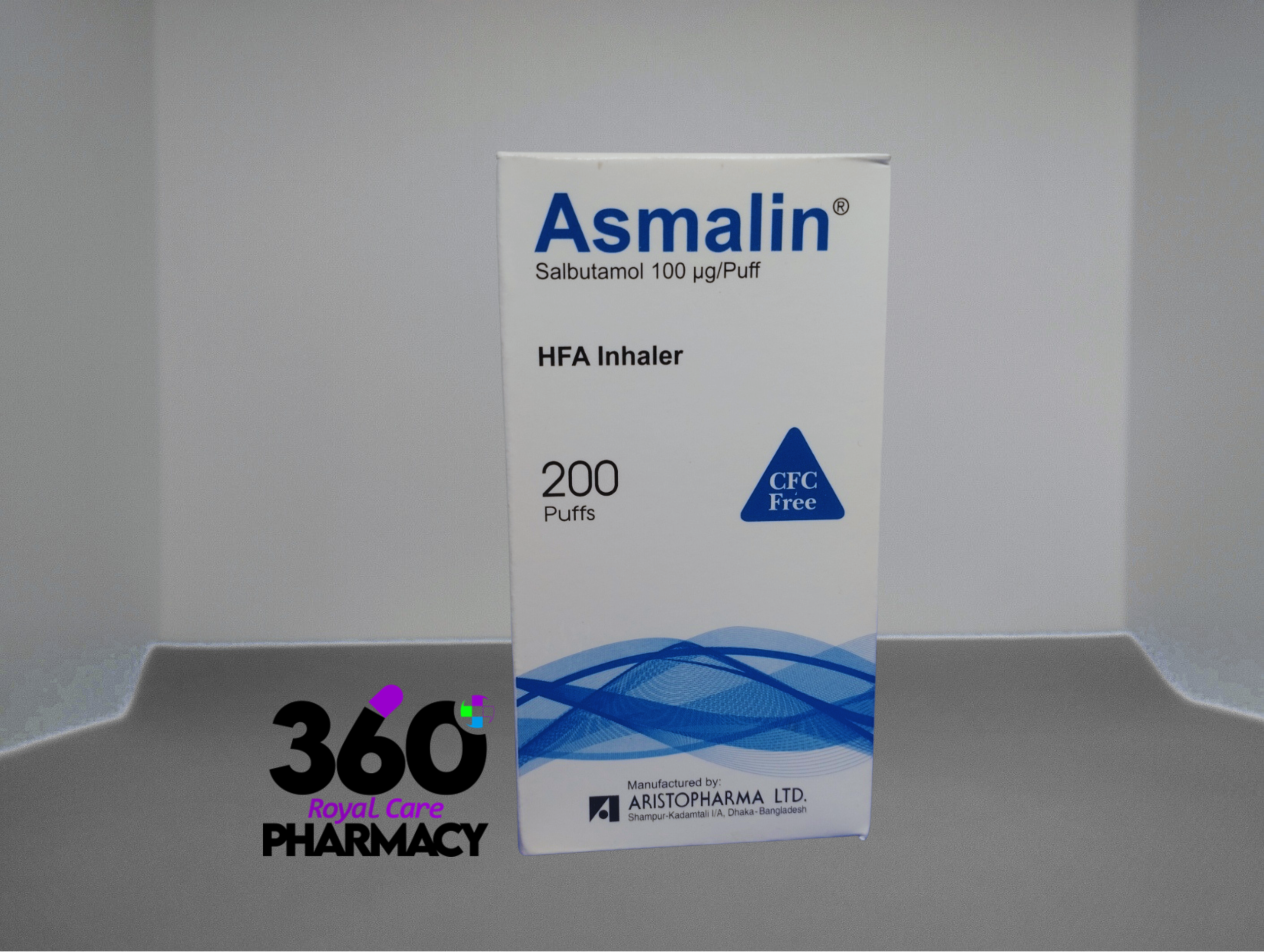
Asmalin Inhaler
-
Rapid-acting bronchodilator for immediate relief of respiratory distress.
-
Category: Short-Acting Beta-Agonist (SABA), commonly known as a “reliever” or “rescue” inhaler.
₦4,300.00
Out of stock
Description
Asmalin is used to quickly open the airways in the lungs to make breathing easier. It is primarily used for:
-
Asthma: Immediate relief of wheezing, coughing, and chest tightness.
-
COPD: Managing sudden bouts of breathlessness.
-
Exercise-Induced Bronchospasm: Used before physical activity to prevent airway constriction. It works by relaxing the smooth muscles in the bronchial tubes, allowing them to widen and increase airflow within 3 to 5 minutes of inhalation.
-
Shake: Shake the canister vigorously for 5 seconds before each use.
-
Prime: If the inhaler is new or hasn’t been used for 2 weeks, spray it twice into the air to prime it.
-
Breathe Out: Exhale completely to empty your lungs.
-
Inhale: Place the mouthpiece between your teeth (without biting) and seal your lips. Start to breathe in slowly and deeply, then press down on the canister once.
-
Hold: Remove the inhaler and hold your breath for 10 seconds to allow the particles to settle in your lungs.
-
Repeat: If a second puff is prescribed, wait 30–60 seconds before repeating the steps.
-
Acute Relief: 1 to 2 puffs as needed for symptoms.
-
Prevention (Exercise): 2 puffs taken 15 to 30 minutes before activity.
-
Maximum Dose: Do not exceed 8 puffs in a 24-hour period unless directed by a specialist.
-
Key Rule: If your symptoms are not relieved by 2 puffs, or if you need to use Asmalin more than 2–3 times a week, your asthma may be poorly controlled.
Asmalin is generally safe but acts as a stimulant on the cardiovascular system. Possible effects include:
-
Palpitations: A racing heart or “fluttering” feeling in the chest.
-
Tremors: Mild shakiness, particularly in the hands.
-
Headache or dizziness.
-
Nervousness: A “jittery” or restless feeling.
-
Hypokalemia: Overuse can lead to low potassium levels in the blood. Store the inhaler at room temperature, away from direct sunlight or heat, and always keep the cap on to prevent lint from entering the mouthpiece.
Related products
-

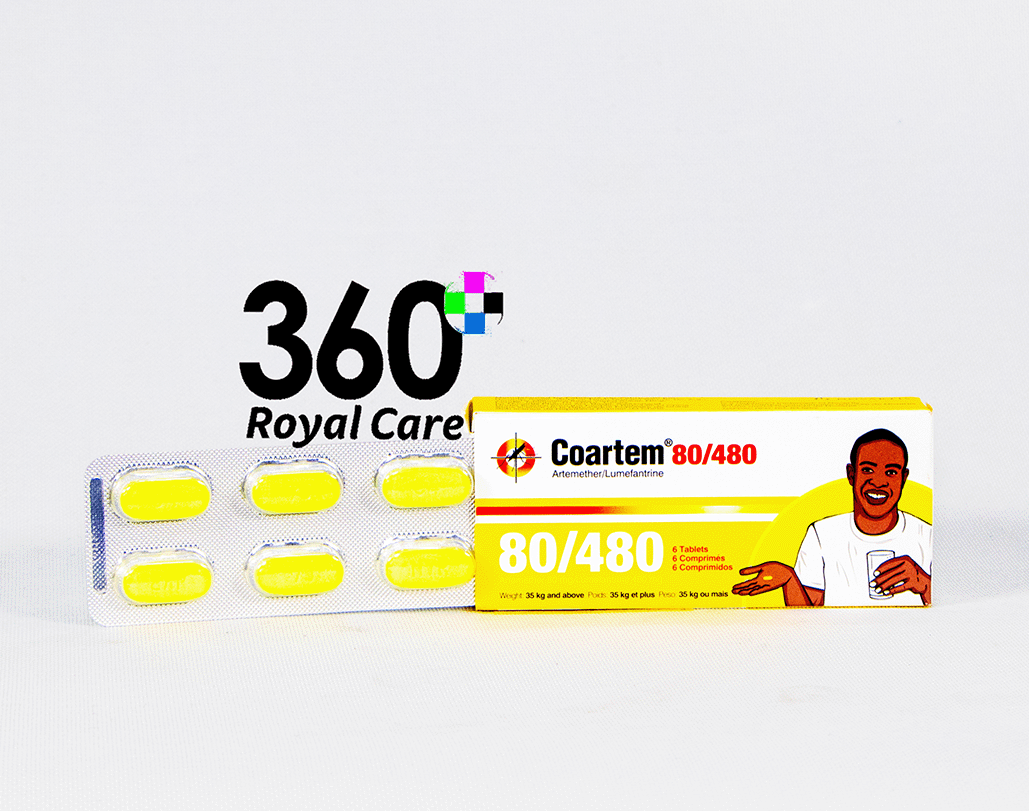
Coartem
Price range: ₦3,333.00 through ₦9,138.00View ProductPrice range: ₦3,333.00 through ₦9,138.00 -