
Blog

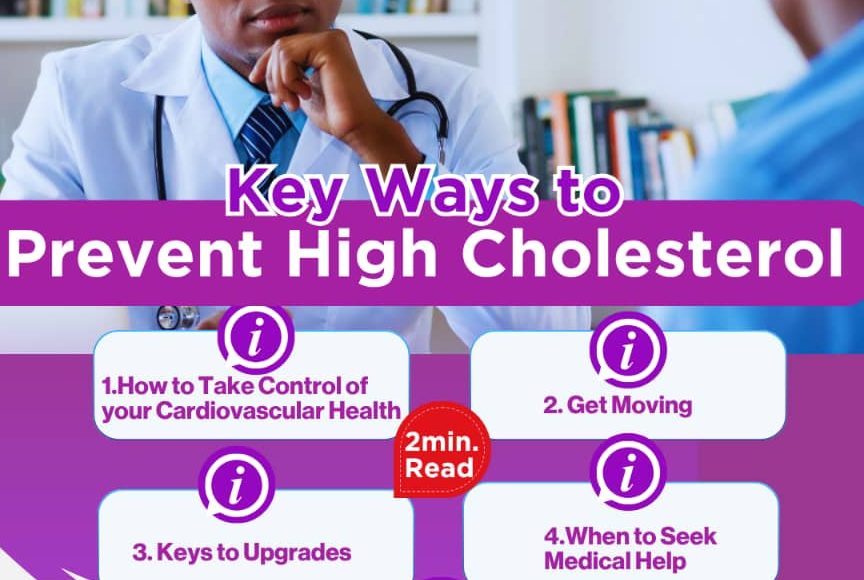
Key Ways to Prevent & Manage High Cholesterol
Eat Healthy Fats: Cut saturated and trans fats (red meat, butter, fried foods); choose plant oils and fatty fish instead.
Increase Fiber & Sterols: Eat oats, beans, fruits, and fortified foods to block cholesterol absorption.
Exercise Weekly: Get 150 minutes of aerobic activity plus two strength-training sessions to boost HDL and lower LDL.
Quit Smoking: Protect arterial walls and improve “good” (HDL) cholesterol.
Maintain Weight & Limit Alcohol: Shedding 5–10 lbs and drinking moderately helps lower
Regular physical activity is one of the most effective natural ways to transform your cholesterol profile. Staying active actively boosts your HDL (high-density lipoprotein) the “good” cholesterol that sweeps excess fats out of your bloodstream while systematically lowering your LDL (low-density lipoprotein), the “bad” cholesterol that can build up along arterial walls.
🚭 1. Quit Tobacco
Why: Smoking lowers HDL (“good” cholesterol) and damages vessel linings, accelerating plaque buildup.
Benefit: Quitting restores HDL levels and allows blood vessels to start healing.
⚖️ 2. Maintain a Healthy Weight
Why: Carrying extra weight increases cardiovascular strain and bad lipids.
Benefit: Losing just 5–10 lbs significantly drops LDL (“bad” cholesterol) and triglycerides.
🍷 3. Limit Alcohol
Why: Heavy drinking raises blood pressure and spikes triglycerides.
Standard: Limit intake to 1 drink/day for women and 2 drinks/day for men.
Genetics: Lifestyle changes alone aren’t always enough due to inherited cholesterol traits.
Professional Diagnosis: A formal diagnosis and blood lipid panel from a doctor are essential before starting any targeted medical treatment.
Click the following links to learn more and Shop for your health
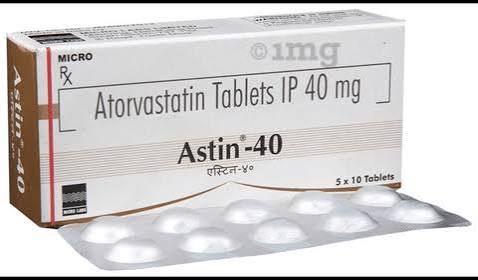
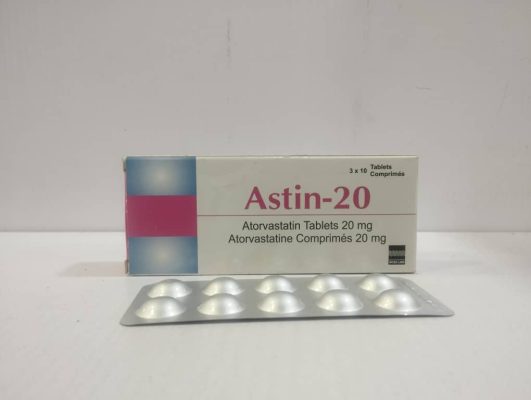
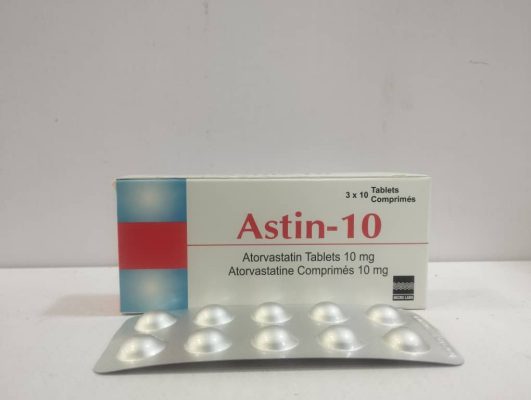
Astin Atorvastatin: https://360degreepharmacy.ng/product/astin-20-atorvastatin-20-mg/
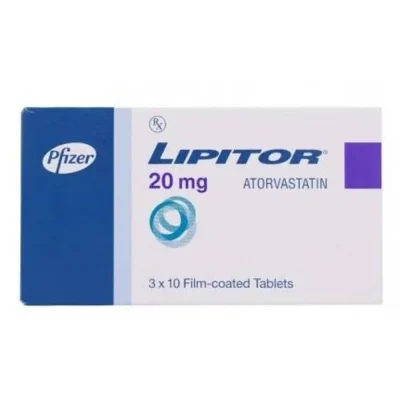
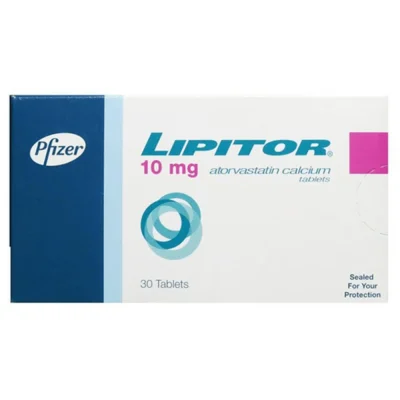
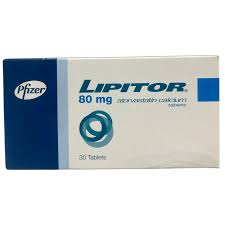
Lipitor: https://360degreepharmacy.ng/product/lipitor-atorvastatin-calcium-40-mg/
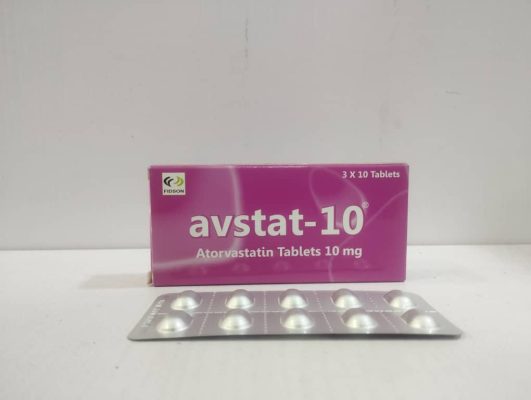
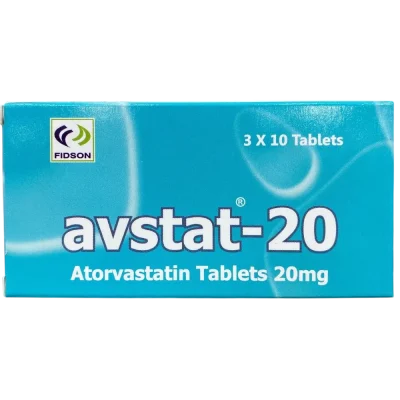
Avstat: https:// 360degreepharmacy.ng/product/avstat-atorvastatin/