
Blog

Why you have lost your Appetite and how to regain it

An abrupt decrease in your desire to eat is often triggered by a temporary sickness, elevated stress levels, or starting a new medicine. Should this symptom last longer than a few days, it may point to an underlying infection, a gastrointestinal issue, or a metabolic shift.
1. Infections and Illnesses
Viral or bacterial conditions: Even a mild common cold, influenza, or a digestive bug compels your system to redirect its energy toward healing instead of digesting food, which naturally suppresses your hunger.
Intestinal bacteria: Small intestinal bacterial overgrowth (SIBO) or an H. pylori infection can disrupt stomach hormones such as ghrelin, dampening your appetite.
2. Mood and Emotional Factors
Stress and anxiety: Mental and emotional tension prompts the release of hormones that interfere with digestion and shut down normal hunger signals.
Depression: Profound sadness or feelings of hopelessness often result in a decreased interest in eating and normal daily activities.
3. Treatments and Medications
Regular prescriptions: Review the side effects of any drugs you have recently started. Typical offenders include specific antibiotics, sleep aids, pain relievers, and diuretics.
4. Underlying Health Issues
Chronic or metabolic problems: Persistent loss of appetite can occasionally be associated with conditions such as an underactive thyroid (hypothyroidism), anemia, or kidney disease.
Pregnancy: Nausea (morning sickness) and changing hormone levels commonly lead to a reduction in appetite during the early stages.
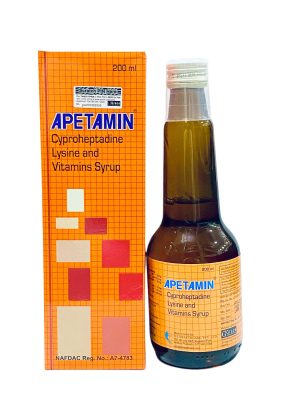
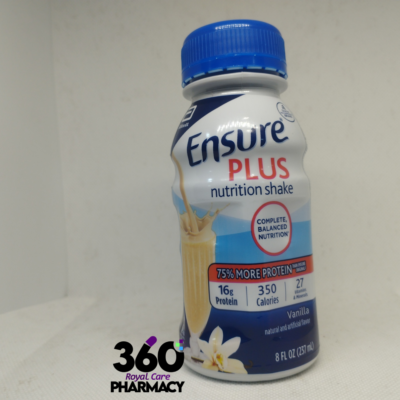
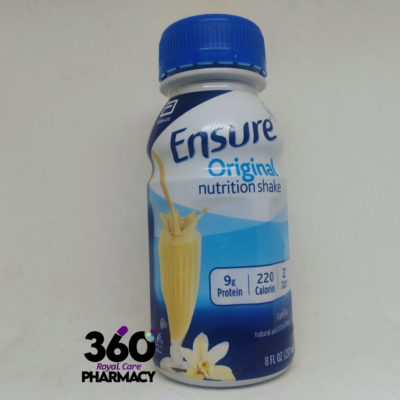
CLICK THE LINKS TO BUY/LEARN MORE
Ensure Original/ Ensure Plus:https://360degreepharmacy.ng/product/ensure-nutrition-shake-copy/
Apetamine: https://360degreepharmacy.ng/product/apetamine-200ml-copy/