
Blog

The Fast-Moving Danger of Cholera and How to Stop It
When we think of rainy season health risks, we often think of the common cold or malaria. However, a much faster, more severe threat thrives in wet conditions: cholera. This acute intestinal infection is caused by the Vibrio cholerae bacterium. It spreads rapidly when floods or poor sanitation mix sewage with drinking water and food supplies. Cholera is highly dangerous because it acts with terrifying speed, capable of causing fatal dehydration within just a few hours if it is left untreated.
Symptoms: Spotting the Signs Early
Profuse, Watery Diarrhea
Nausea and Projectile Vomiting: This makes it even harder for the body to retain fluids.
Painful Muscle Cramps: Caused by the rapid loss of essential minerals and salts.
Severe Dehydration: sunken eyes, cold or wrinkled skin, a dry mouth, and dangerously low blood pressure.
Prevention and Control: Guarding Your Home
Secure Your Water Source: Drink, cook, and wash raw food using only safe, bottled, or properly boiled water.
Maintain Hand Hygiene: Wash your hands thoroughly with soap and clean water after using the restroom and right before handling any food.
Cook Food Thoroughly: Eat your meals while they are still hot, and keep all food covered away from flies.
Utilize Oral Cholera Vaccines (OCV): Highly recommended and available for anyone living in high-risk areas or traveling to places experiencing an outbreak.
Helpful Remedies & Medical Care
Oral Rehydration Salts (ORS): Dissolve 1 sachet in 1 liter of clean water. Drink continuously after every loose stool (Adults: 200–400ml; Children: 100–200ml).
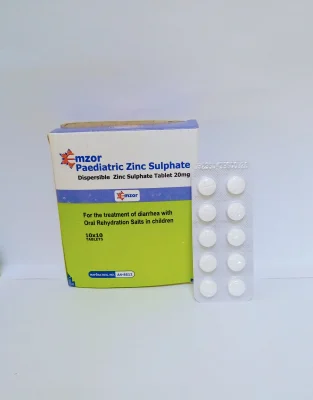
Zinc Supplements (for children): 20mg daily for 10 to 14 days (10mg daily for infants under 6 months) to reduce diarrhea duration.
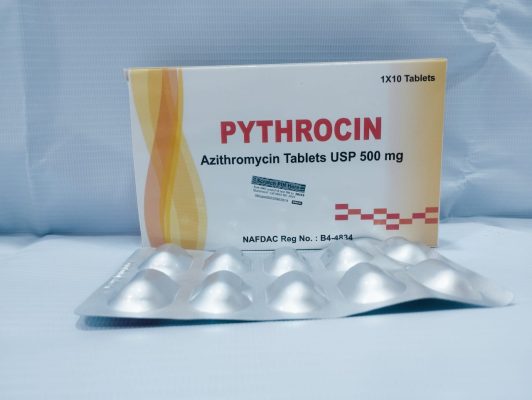
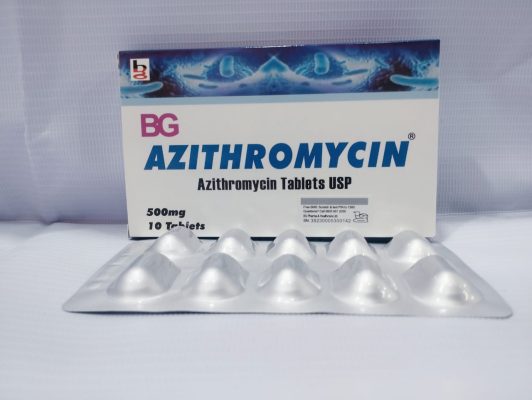
Antibiotics: Taken strictly as prescribed by a medical professional to shorten the illness.
Click the images to learn more/shop