
Blog

What Is Metabolic Age and Why Does It Matter?

Have you ever met someone who is 50 years old but has the energy, skin, and stamina of a 30-year-old? On the flip side, you might know a 25-year-old who constantly feels sluggish, achy, and tired. This discrepancy happens because your birth certificate only tells part of the story. While your chronological age counts the exact number of years you have been alive, your metabolic age reveals how old your body feels and functions on the inside.
What Exactly is Metabolic Age?
 Metabolic age is a comparison between your Basal Metabolic Rate (BMR) the number of calories your body burns just to keep you alive at rest and the average BMR of people in your exact chronological age group.
If your metabolic age is lower than your actual age, it means your cellular health is excellent, your metabolism is highly efficient, and your body is burning energy like a younger person. If it is higher, it is a warning sign that your metabolism has slowed down, which increases your risk for weight gain, fatigue, and chronic health issues.
How to Calculate Metabolic Age
Calculating your metabolic age requires finding your Basal Metabolic Rate (BMR) first, usually using a standard clinical formula like the Mifflin-St Jeor Equation:
For Men:BMR= (10 x weight in kg}) + (6.25 x height in cm}) – (5 x age in years) + 5
For Women:BMR = (10 x weight in kg}) + (6.25 x height in cm}) – (5 x age in years) – 161
The Comparison Step:
Once you have your BMR number (e.g., 1,600 calories), it is compared to a standardized global chart of average metabolic rates for various age groups.
If your BMR matches the average 30-year-old, but you are chronologically 45, your metabolic age is a youthful 30!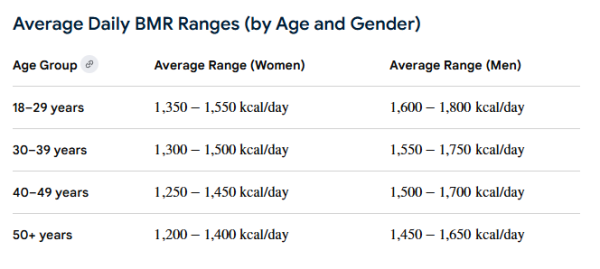
Simple Steps for Restoration
 If your metabolic age is higher than you want it to be, you can actively reverse it. Focus heavily on Strength Training muscle tissue burns far more calories at rest than fat tissue, which instantly raises your BMR. Additionally, prioritize Protein-Rich Meals because your body expends more energy digesting protein than fats or carbohydrates, naturally revving up your internal engine.
Helpful Medical & Supplement Remedies
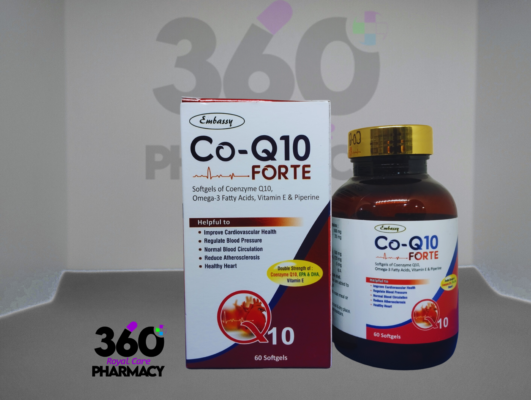
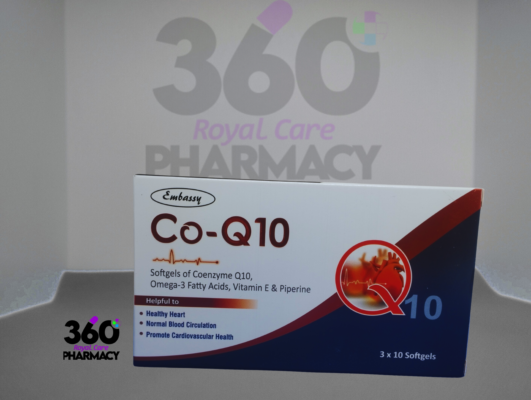
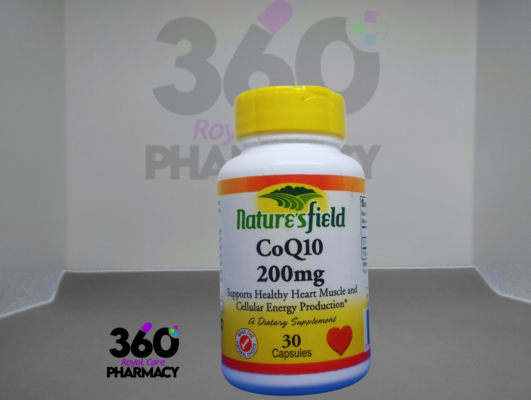
To optimize your cellular energy and lower your metabolic age, these five targeted supplements provide exceptional support:
Click the images below to learn more