
Blog

What Your Body Needs Between Ages 40-75+

Between ages 40 and 75+, your body’s metabolism naturally slows, muscle mass decreases, and the risk of chronic conditions rises. It demands a proactive shift to nutrient-dense foods, increased protein intake, and targeted health screenings to maintain energy, protect bone density, and support cardiovascular health.
Ages 40–50: The Proactive Years
 This decade is all about building a foundation for longevity and counteracting the initial drops in metabolism and muscle mass.
Diet & Nutrition: Focus on increasing protein intake to help preserve muscle. Prioritize fiber intake to manage cholesterol and blood sugar.
Key Supplements: Consider vitamin B12, as stomach acid production begins to decrease, making natural food absorption less efficient.
Health Screenings: Track vital metrics like Blood pressure and Cholesterol annually. Screenings for Type 2 Diabetes and cardiovascular risks become critical during this stage.
Ages 50–65: The Pivot Stage
 Hormonal changes accelerate, bone density begins to change, and the cardiovascular system requires careful monitoring.
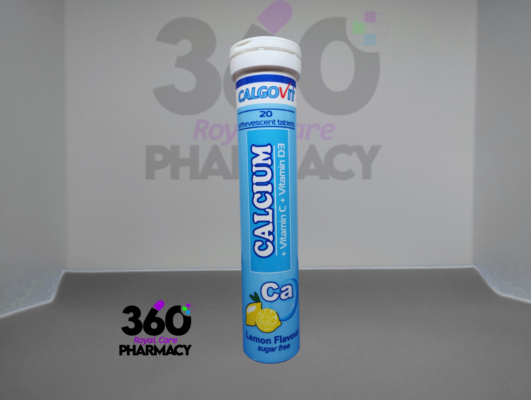
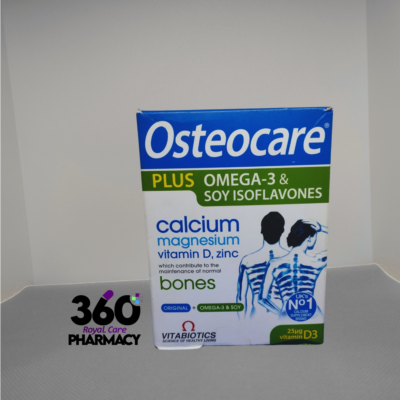
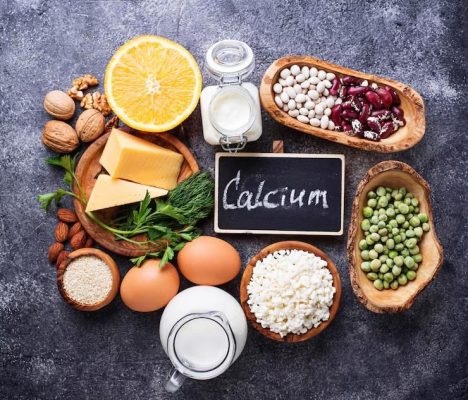
Bone Health: Women post-menopause and men over 50 should focus on adequate calcium intake to support bone health. Weight-bearing exercises (walking, strength training) are vital to slow bone loss.
Vitamins: Vitamin D support is often needed to aid calcium absorption and support bone health.
Health Screenings: Stay up to date with routine checkups, including mammograms, prostate checks, and colorectal cancer screenings as advised by your healthcare provider.
Ages 65–75+: The Vitality Focus
 In this stage, maintaining mobility, cognitive health, and nutritional balance is essential, as the body’s natural thirst and hunger cues may diminish.
Nutrient Density: Because the body burns fewer calories, you must maximize nutritional value per bite. Rely on lean proteins, omega-3 fatty acids (for brain and heart health), and deeply colored fruits and vegetables.
Hydration & Digestion: Since thirst sensations decrease with age, intentionally focus on adequate water intake to prevent dehydration. Increase fiber and probiotics to support changing digestive tracts.
Health Management: Regular medication reviews are crucial as drug interactions can impact kidney or liver function. Stay current with the annual flu shot and pneumonia vaccines.
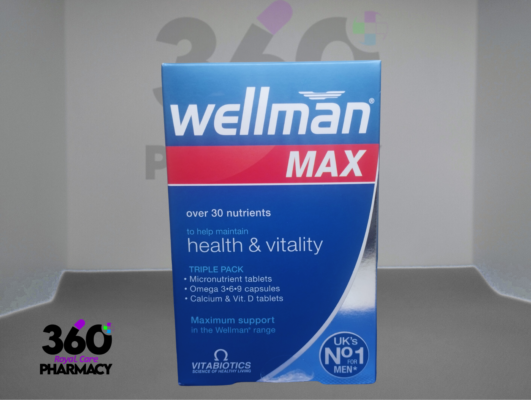
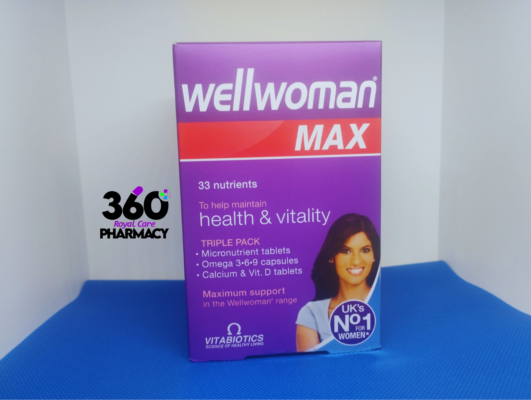
Supportive supplements for you
Click the images below to learn more