

Blog

What Is Conjunctivitis (Pink Eye)?
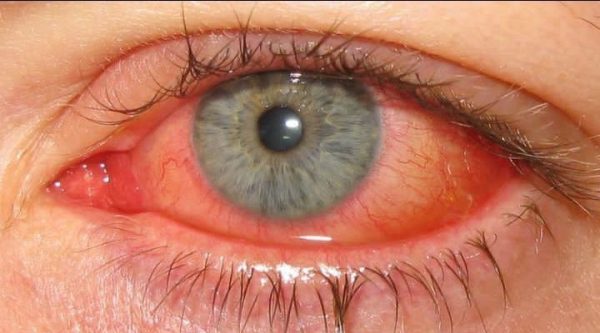 Pink eye is inflammation in the conjunctiva in your eye. The conjunctiva is the clear membrane that covers part of your eye and the inside of your eyelid. The medical name for pink eye is conjunctivitis. It’s extremely common. It can affect one eye or both at the same time.
 The most common conjunctivitis symptoms include:
- Red eye
2. Thick eye discharge (yellow, green or white)
3. Crusting on your eyelashes or eyelids
4. Feeling like something’s stuck in your eye
5. Dry, water, itchy, irritated eyes.
6. Burning eyes
7. Blurred vision (may come and go)
8. Light sensitivity
9. Swollen eyelids
10. Eye pain (usually mild)
Viral Conjunctivitis
Description: The most common cause of pink eye. It presents with watery discharge, redness, and often accompanies cold or flu symptoms.
Treatment: It is highly contagious but self-limiting, typically resolving within 1 to 2 weeks without medication. Relief can be achieved using artificial tears and cool compresses.
Bacterial Conjunctivitis
Description: Characterized by a thick, sticky yellow or greenish discharge. Eyelids often stick together, particularly after sleeping.
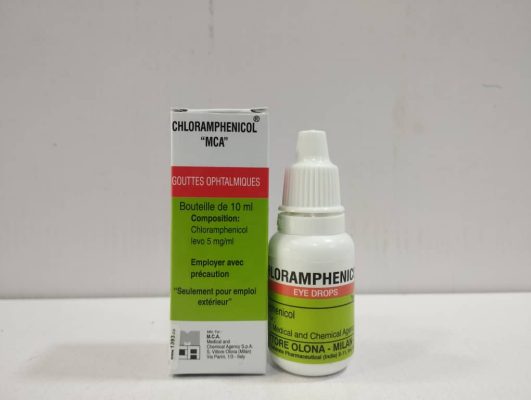
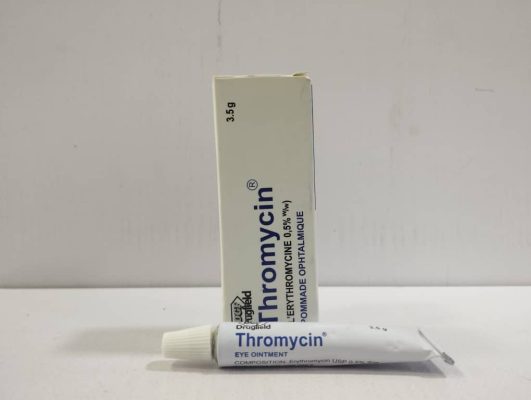
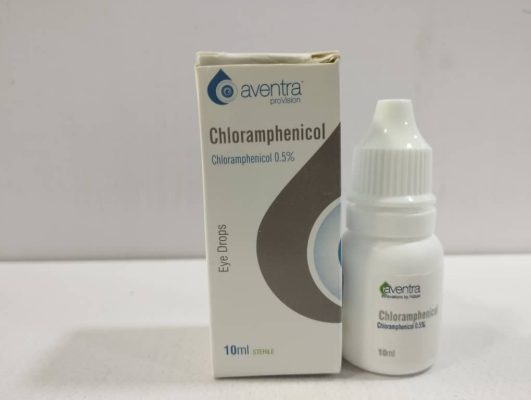
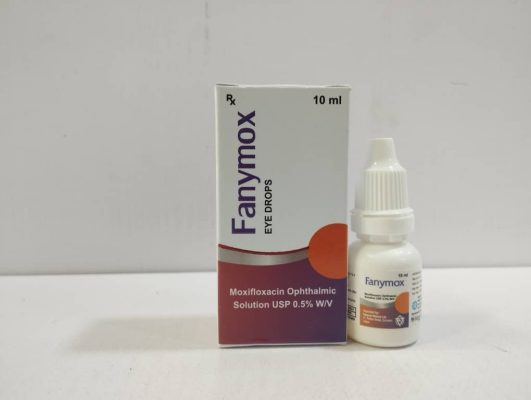
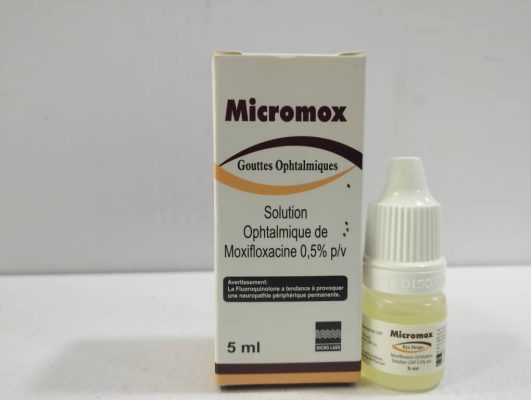
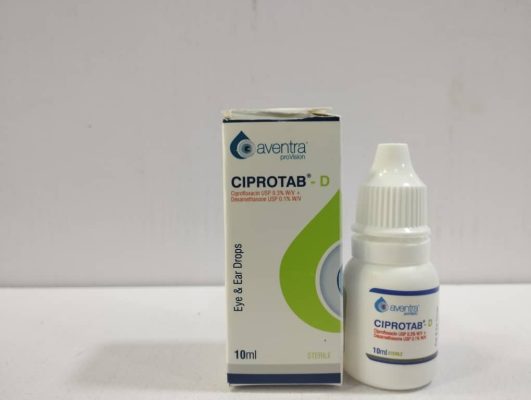
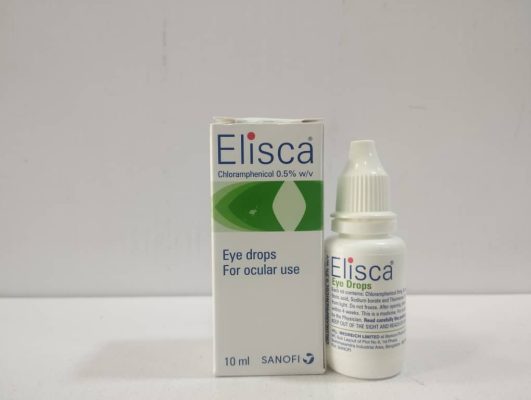
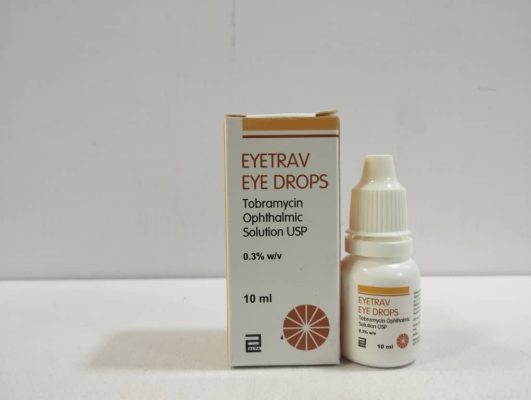
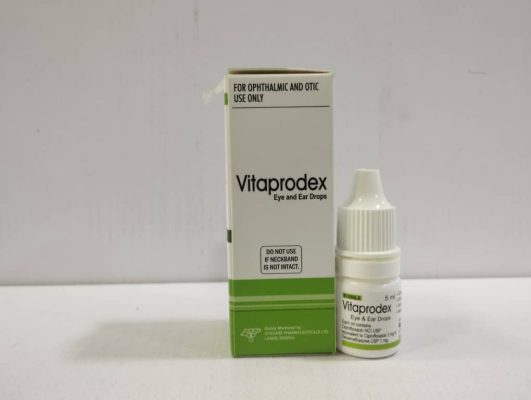
Treatment: Requires prescribed antibiotic eye drops or ointments (such as Tobramycin, Vitaprodex, Thromycin, Chloramphenicol, Fanymox, Moxifloxacin, and Ciprotab.). Symptoms generally improve in 3 to 4 days, but the full course must be completed to prevent recurrence.
Allergic Conjunctivitis
Description: Triggered by allergens like pollen, dust mites, or pet dander. It features intense itching, tearing, and swollen eyelids.
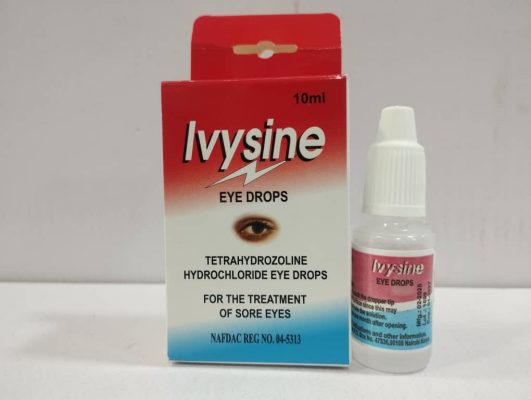
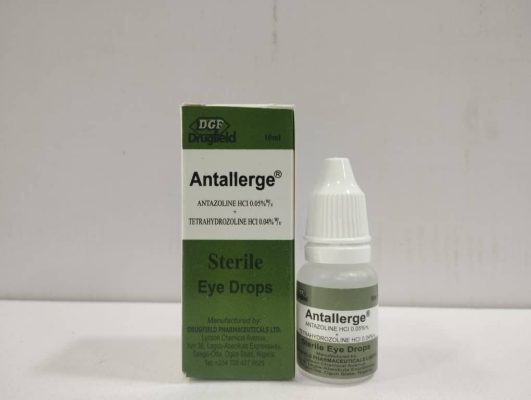
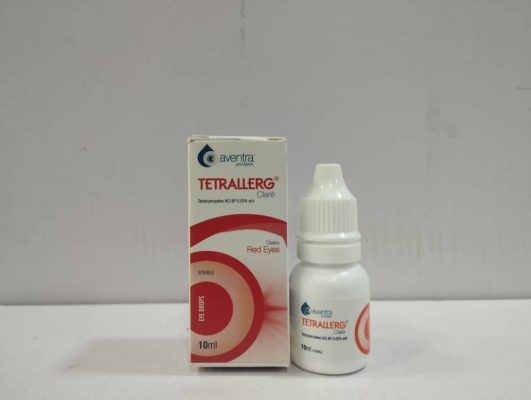
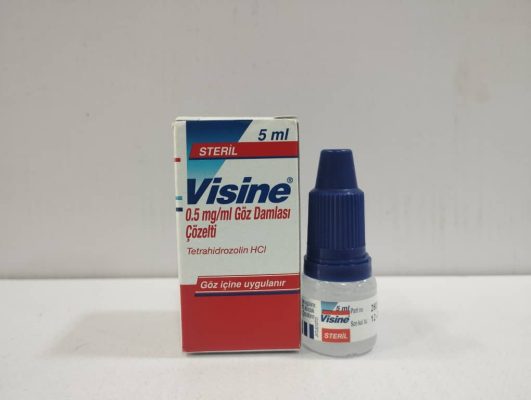
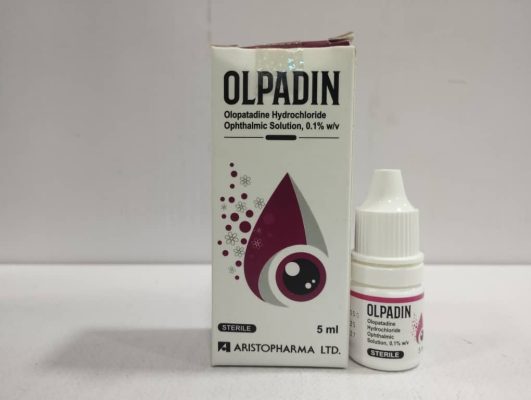
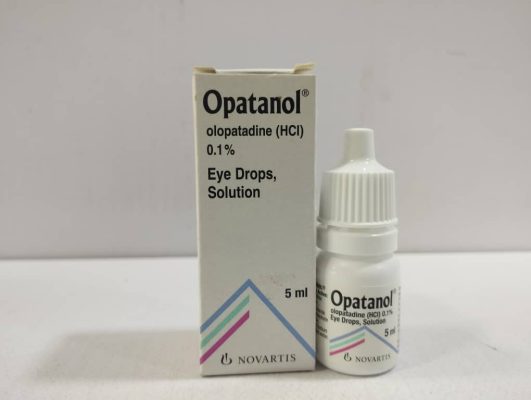
Treatment: Managed by avoiding the allergen and using over-the-counter or prescription antihistamines or anti-inflammatory eye drops. Cool compresses can also soothe irritation. Allergic conjunctivitis requires allergic eye drops such as Olopatadine, Antallerge, Tetrallerge, Ivysine, and Visine.
Chemical Conjunctivitis
Description: Caused by irritants such as chlorine in swimming pools, smoke, or exposure to harsh chemicals.
Treatment: Immediate and thorough flushing of the eye with saline or clean water for 5 minutes. Severe chemical burns require immediate emergency medical attention.
General Management
For any type of conjunctivitis, you should stop wearing contact lenses until symptoms clear. Prevent the spread of infection by washing hands frequently with soap and water, and avoiding sharing towels, pillows, or eye makeup.
How long conjunctivitis lasts depends on what caused it. Viral infections typically last up to two weeks. It’s rare, but some may last longer. Bacterial infections usually last up to 10 days. Allergy-related pink eye lasts as long as you’re around the allergen causing the reaction.
CLICK THE LINKS BELOW TO BUY/LEARN MORE.
Antallerge: https://360degreepharmacy.ng/product/tetrahydrozoline-ophthalmic-solution/
Ivysin,Tetrallerg, Visin: https://360degreepharmacy.ng/product/tetrahydrozoline-ophthalmic-solution-2/
Fanymox, Micromox, moxifloxacin : https://360degreepharmacy.ng/product/moxifloxacin-0-5-eye-drops/
Aventra chloramphenicol, chloramphenicol MCA: https://360degreepharmacy.ng/product/chloramphenicol/
Ciprotab, Vitaprodex https://360degreepharmacy.ng/product/ciprofloxacin-and-dexamethasone/
Opatanol, Olpadin : https://360degreepharmacy.ng/product/olopatadine-hydrochloride-0-1-eye-drops/
Eye trav, -: https://360degreepharmacy.ng/product/tobramycin-eye-drops/
Erythromycin-0-5-eye-ointment : https://360degreepharmacy.ng/product/erythromycin-0-5-eye-ointment/